Napa Valley
Napa Valley is a wine region north of San Francisco, east of Sonoma County. Its modern identity centres on Cabernet Sauvignon, but the valley also supports Chardonnay, Sauvignon Blanc, other Bordeaux varieties, and older plantings of Zinfandel. Understanding Napa requires moving between the valley floor, its adjoining slopes, and the cooler southern vineyards near San Pablo Bay.
The Napa Valley American Viticultural Area, or AVA, contains smaller named areas such as Rutherford, Oakville, Howell Mountain, and Coombsville. These names identify growing places. They do not prescribe a common blend or a single approach to ripeness and maturation.
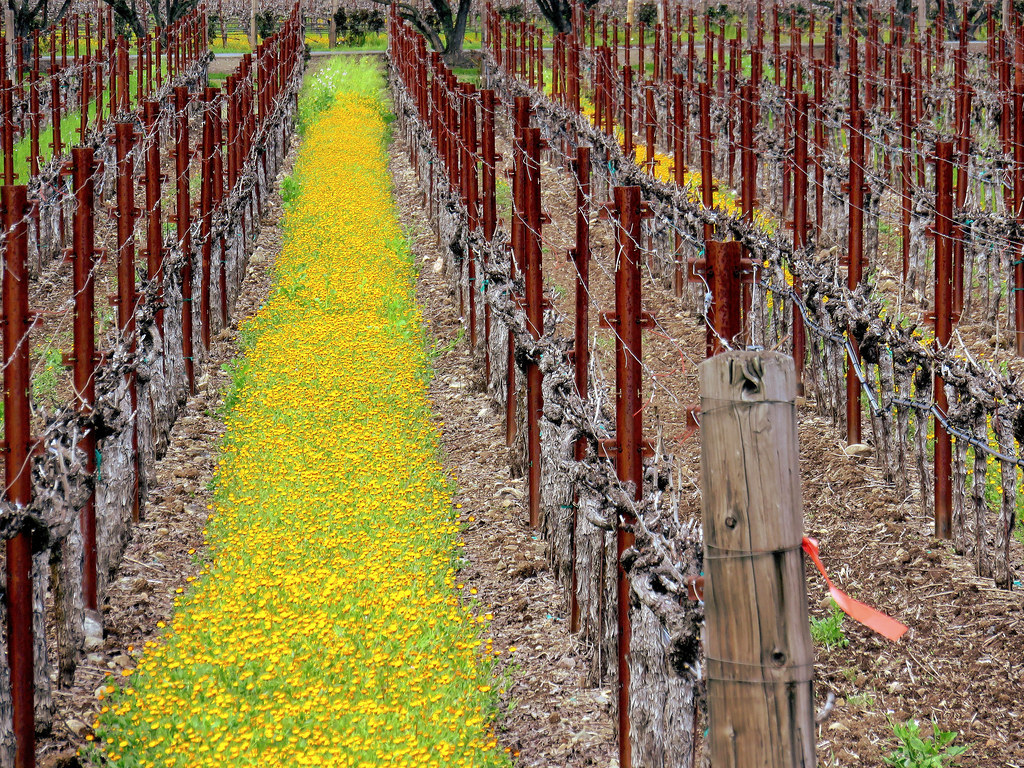
Warmth, marine air, and elevation
The valley lies between the Mayacamas and Vaca ranges. Marine air entering from the south helps moderate the southern districts, while sheltered inland sites can accumulate more heat. Carneros provides an important setting for Chardonnay and Pinot Noir. Coombsville also receives strong bay influence, yet Cabernet Sauvignon remains significant there.
Elevation complicates this pattern. Vineyards above the usual fog layer can receive morning sun while lower sites remain shaded. Mountain sites may also have a smaller day-to-night temperature range than the valley floor. Aspect, wind, and position relative to the fog help explain why “higher” does not always mean colder throughout the day.
Volcanic materials, sedimentary rocks, and deposits carried down from the hills produce varied root zones. Gravelly fans, deeper valley soils, and shallow hillside soils differ in drainage and water storage. Those differences affect vine growth and the practical choices of rootstock, spacing, and water management.
Cabernet and the choices behind its structure
Cabernet's relatively late ripening suits a long, warm season. It can give deeply coloured wine with substantial tannin, whether bottled as a varietal wine or blended with Merlot, Cabernet Franc, or other varieties. Harvest date establishes a balance of sugar, acidity, fruit condition, and phenolic maturity; time on the skins and subsequent oak maturation further shape the texture.
Corison provides a documented example of deliberately restrained harvest and extraction choices. The estate sources Cabernet from alluvial benchland between Rutherford and St. Helena, manages its canopy to expose fruit to light and air, and describes picking early to retain acidity at moderate sugar levels. Its wines then mature in French oak. A warm region can therefore support quite different stylistic intentions within the same grape.
Frog's Leap supplies a complementary farming example. Its Rutherford and St. Helena vineyards are dry-farmed, including Cabernet Sauvignon, Merlot, and Sauvignon Blanc. The producer connects this practice to its preference for freshness and moderate alcohol. That is an estate's approach within suitable sites, rather than a rule that every Napa vineyard can follow: stored soil moisture, rooting depth, vine establishment, and seasonal rainfall constrain the choice.
Beyond the Cabernet image
Napa's white wines make cellar decisions equally visible. Chardonnay ranges in weight and oak influence, while Sauvignon Blanc may emphasize immediate freshness or gain texture through barrels and lees. The grape, vineyard, harvest, and cellar treatment all matter when comparing these wines.
The international attention surrounding the 1976 Paris tasting helped bring Napa producers to a wider audience. Subsequent emphasis on named vineyards and smaller appellations encouraged readers to look beyond a single regional style. Today, a subregional name is most useful alongside information about the producer's actual vineyards and methods.
Related topics
Sources
- Napa Valley Vintners, “The Region”, regional geography and history, accessed 6 October 2026.
- Napa Valley Vintners, “The Wine”, grape and wine overview, accessed 6 October 2026.
- Napa Valley Vintners, “Soils and Geology” and “Climate”, accessed 6 October 2026.
- Corison, “Winemaking”, vineyard, harvest, and cellar practices, accessed 6 October 2026.
- Frog's Leap, “In Conversation: Rory Williams on Why Frog's Leap Chooses to Dry Farm”, producer interview, accessed 6 October 2026.