Niagara
Niagara is a white American grape used for fresh eating, juice, jelly, and wine. Its pronounced grapey aroma places it close to a familiar juice tradition, while regional wineries use that character in their own bottlings. The variety name should be distinguished from the Niagara Peninsula winegrowing region: a wine from that region need not contain Niagara grapes.
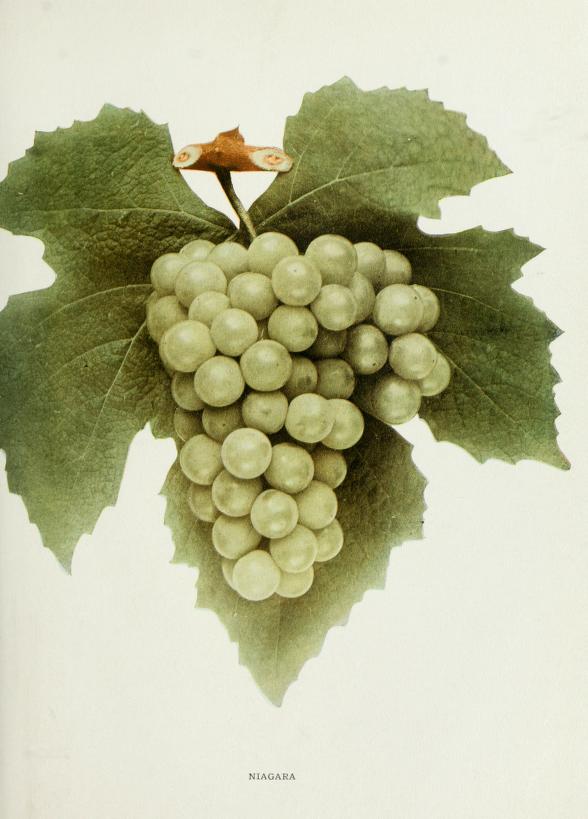
A grape with several markets
The University of Missouri describes large fruit and the distinctive aroma often called foxy. The same cultivation account records susceptibility to common grape diseases.
Penn State's Lake Erie research centre maintains Niagara alongside Concord. These grapes connect winegrowing with the wider regional production of fruit and juice. Their agricultural and cultural importance is larger than their visibility in discussions of European wine varieties.
A Finger Lakes example
Lakewood Vineyards documents its 2020 Niagara as entirely varietal, estate-grown fruit from Lakewood Farm in the Finger Lakes. That establishes a specific local use of the grape rather than treating every bottle bearing a geographic Niagara name as the same thing.
When comparing Niagara wines, the balance of acidity and remaining sugar is especially useful information. A powerful fruit aroma can suggest sweetness, but aroma and the actual amount of sugar are different properties.
Sources
- University of Missouri Extension, Home Fruit Production: Grape Culture, Niagara entry, reviewed March 2026.
- Penn State, “Grape and Non-grape Crops”, Lake Erie research plantings, accessed 22 September 2026.
- Lakewood Vineyards, “Niagara 2020”, technical sheet, origin and composition.