Alto Adige
Also known as Südtirol, South Tyrol
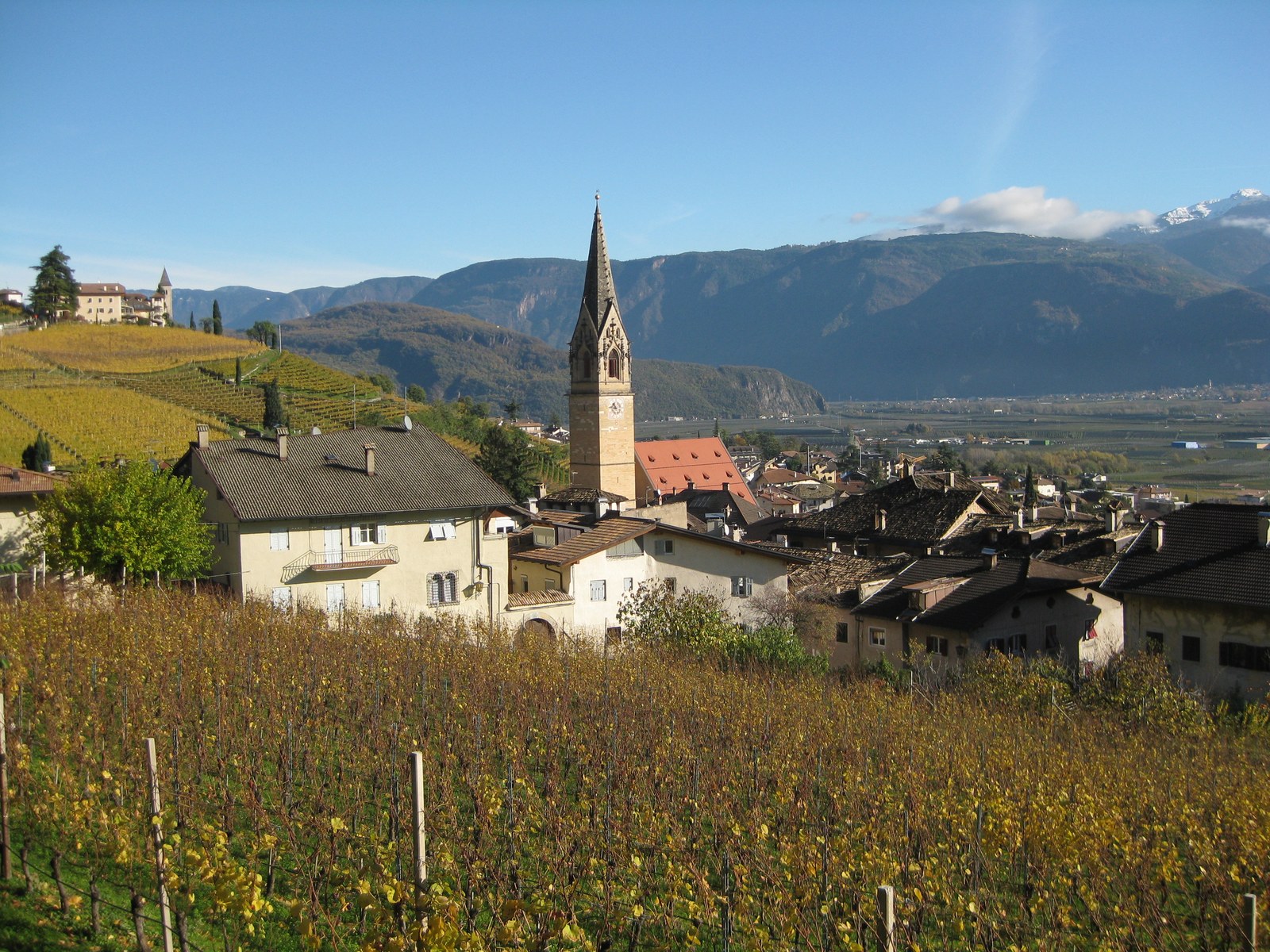
Alto Adige, also known as Südtirol or South Tyrol, is a wine region in Italy's far north. Vineyards occupy valleys and mountain slopes around Bolzano and beyond. Its range of elevations and exposures supports both fresh whites and ripe reds within a relatively small area.
Matching grape and site
The regional consortium's 2026 presentation places vineyards broadly between 200 and 1,000 metres above sea level. Altitude interacts with slope direction, shelter, and air movement: a warm valley site and a high hillside can offer quite different ripening conditions.
The Valle Isarco, or Eisacktal, is particularly associated with whites such as Kerner, Silvaner, and Riesling. Elsewhere, Pinot Blanc, Chardonnay, and Gewürztraminer are important reference points. Local red identities include Schiava, also called Vernatsch, and Lagrein, alongside Pinot Noir.
How to approach the wines
Coöperative wineries account for a substantial part of production, alongside estates and independent growers. They provide a way for many small vineyard holdings to support wines made with considerable specialization in the cellar.
A varietal label is a useful starting point, but the origin within Alto Adige adds essential context. Comparing one grape across elevations and producers can reveal differences in ripeness, acidity, and texture. Comparing different grapes from the same area asks another question: how growers match each variety's season and requirements to the available sites.
Sources
- Consorzio Alto Adige Wines, Winegrowing Region of Alto Adige/Südtirol, 2026 presentation.
- Consorzio Alto Adige Wines, regional overview.